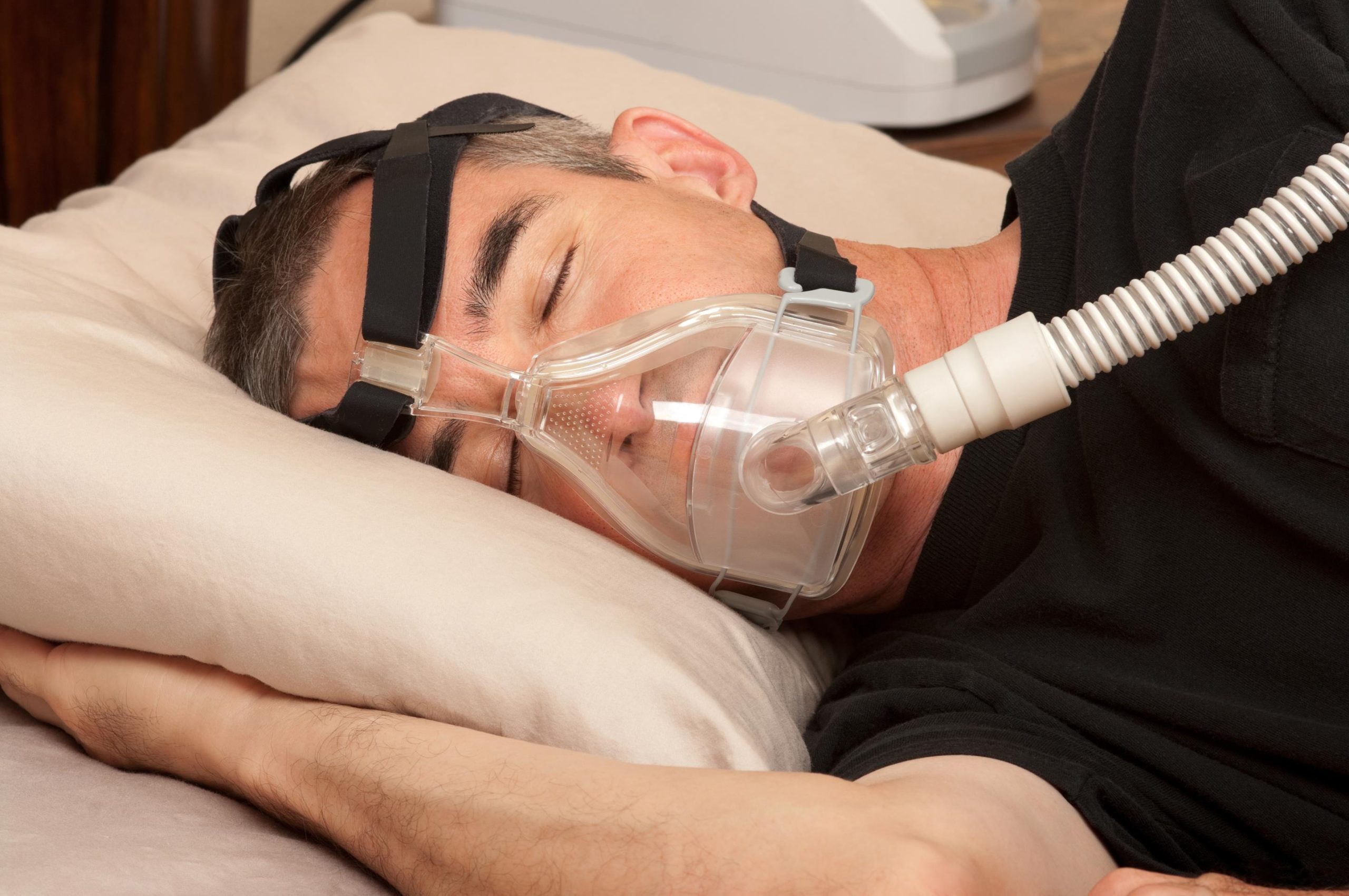
The Breathless Heart: Unmasking Sleep Apnea
Sleep apnea is far more than a snoring problem — it is a silent epidemic affecting nearly one billion people worldwide, yet 90% remain undiagnosed. Like an iceberg, only the surface is visible while the real danger lurks underneath: night after night of hidden cardiovascular damage that most people never feel until it’s too late.
What Is Sleep Apnea? Sleep apnea occurs when your breathing repeatedly stops during sleep — sometimes 30, 40, even 60 times per hour. Picture your throat as a soft rubber tube. When you fall asleep, the muscles around it relax, the tube collapses, and oxygen stops flowing. Your brain panics, wakes you just enough to gasp for air, and the cycle repeats — all night long, with no memory of it in the morning.
The Heart Connection This isn’t just a sleep problem. Every time you stop breathing, your blood pressure spikes, stress hormones surge, and your heart is forced to work against enormous pressure — essentially being “punched” 40 to 50 times a night. Multiply that by 365 nights a year for 10 to 20 years, and the damage becomes clear. Sleep apnea is directly linked to:
- Hypertension — 80% of patients with resistant hypertension (on 3+ blood pressure medications) have sleep apnea
- Atrial Fibrillation — present in more than 80% of AFib patients
- Heart Failure — found in 40–60% of heart failure cases
- Stroke — increases stroke risk by 2 to 4 times
- Sudden Cardiac Arrest — increases risk of dangerous nighttime arrhythmias
- Diabetes, Dementia, and Depression — all linked to chronic nighttime oxygen deprivation
Why South Asians Are at Higher Risk Standard screening guidelines don’t always account for the unique risks South Asians face. Due to differences in airway anatomy, higher body fat percentage at lower BMIs, and greater insulin resistance, South Asians develop sleep apnea at a younger age and lower body weight than other populations. A BMI of 25 — often considered “healthy” — is the threshold for elevated risk in South Asians. Sleep apnea is also hereditary, so family history matters. If you have been told your numbers look fine, it may still be worth asking.
Signs You May Have Sleep Apnea
- Loud or frequent snoring
- Gasping or choking during sleep
- Waking up exhausted after a full night of sleep
- Morning headaches or dry mouth
- Frequent nighttime bathroom trips
- Brain fog, difficulty concentrating, or memory problems
- Daytime fatigue or falling asleep unexpectedly
- Anxiety, depression, or mood changes
Many people have no symptoms at all and go on to present directly with heart disease — making proactive screening essential.
Diagnosis Made Easy At South Bay Cardiovascular Center, we use the STOP-BANG screening tool — a simple set of questions about snoring, tiredness, observed breathing pauses, blood pressure, BMI, age, and neck circumference. A score of 3 or more warrants further evaluation. From there, we offer convenient home sleep testing that is accurate, comfortable, and far faster than waiting for an in-lab sleep study. No overnight lab visit required.
Treatment Options Treatment is always personalized based on severity and individual needs:
- CPAP therapy — the gold standard, shown to lower blood pressure, reduce AFib recurrence by 42%, and improve heart function
- Oral appliance (mandibular advancement device) — ideal for mild to moderate cases or those who cannot tolerate CPAP
- Inspire therapy — an FDA-approved implantable device for those who cannot use CPAP
- Lifestyle modifications — weight loss, sleep hygiene, and positional therapy
- GLP-1 medications — emerging evidence shows significant improvement in sleep apnea with weight reduction
If you stop breathing at night, wake up gasping, feel exhausted despite sleeping, or have been told you snore — don’t ignore it. Your heart may be paying the price every single night. Call our office at (408) 779-9422 to schedule a sleep and heart health evaluation today.